
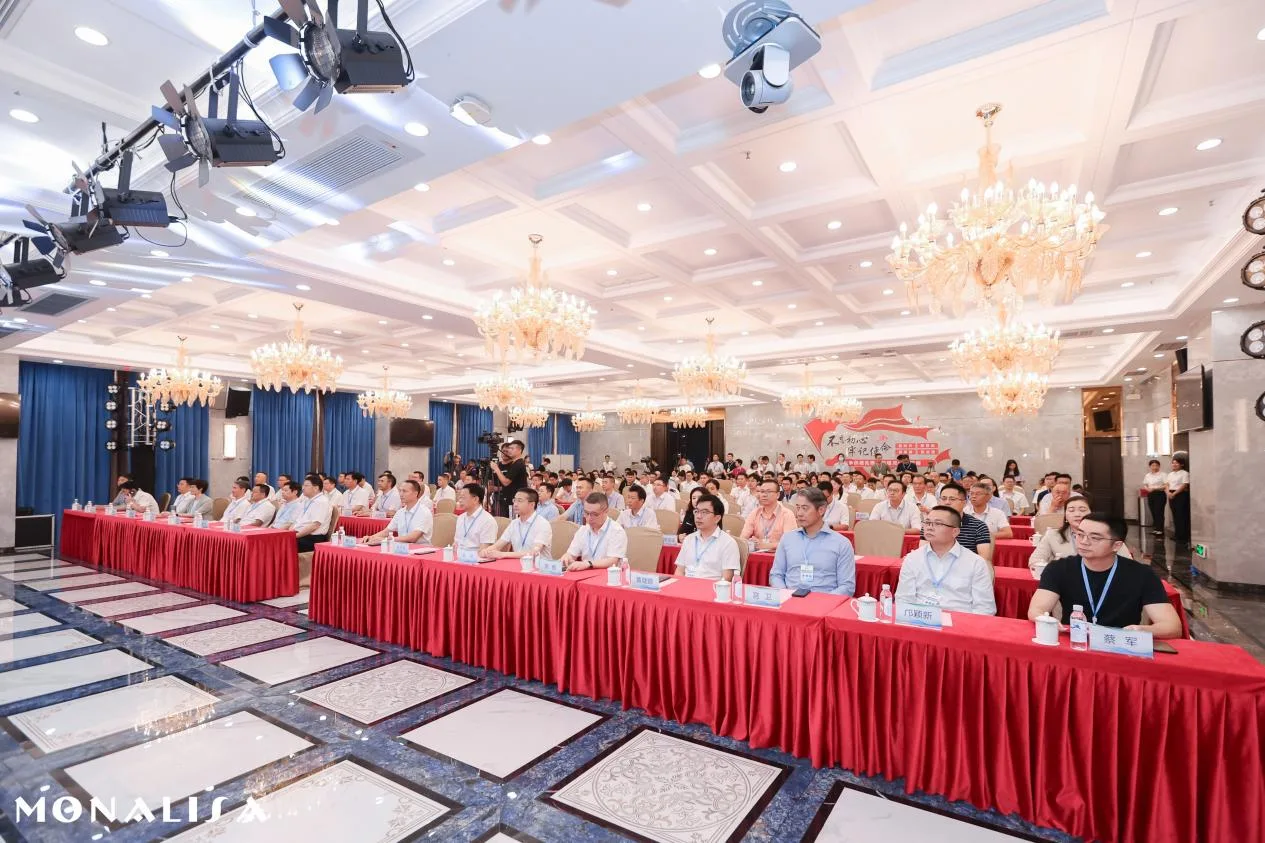
On 26 September, the ammonia–hydrogen zero-carbon combustion technology developed under the leadership of Foshan Xianhu Laboratory was successfully applied on the world’s first ammonia–hydrogen zero-carbon combustion demonstration production line for the ceramics industry at Monalisa Group headquarters, where a launch ceremony was held. More than 200 people attended, including Bai Tao, Deputy Secretary of the CPC Foshan Municipal Committee and Mayor of Foshan; Zhang Kaiji, Secretary-General of the Foshan Municipal Government; Academician Cheng Yibing, strategic scientist of Foshan Xianhu Laboratory; Gu Yaohui, Secretary of the CPC Nanhai District Committee; leaders of relevant municipal and district departments and of related societies and associations; leaders of the five partner organizations of the demonstration line; representatives of partner companies; and members of the media.
Ammonia and hydrogen are among the most industrially valuable zero-carbon fuels known today. They allow carbon-free end-use energy, ammonia slip can be controlled and NOx emissions are low, making them an important route for the clean, low-carbon transition of high-temperature manufacturing. Along this path, the Advanced Zero-Carbon Combustion Technology Joint Innovation R&D Center, formed by national key laboratories, industry leaders and leading technology companies including Foshan Xianhu Laboratory, Monalisa, Dalitai, Oceano and Anqing Technology, has been developing high-temperature ammonia–hydrogen combustion technology and promoting its use in building ceramics and other high-temperature industries. It also uses dedicated online monitoring equipment for residual ammonia and nitrogen oxides in high-temperature, high-humidity conditions developed by Guangdong Lanshi, removing a major obstacle on high-temperature industry’s path to carbon neutrality.
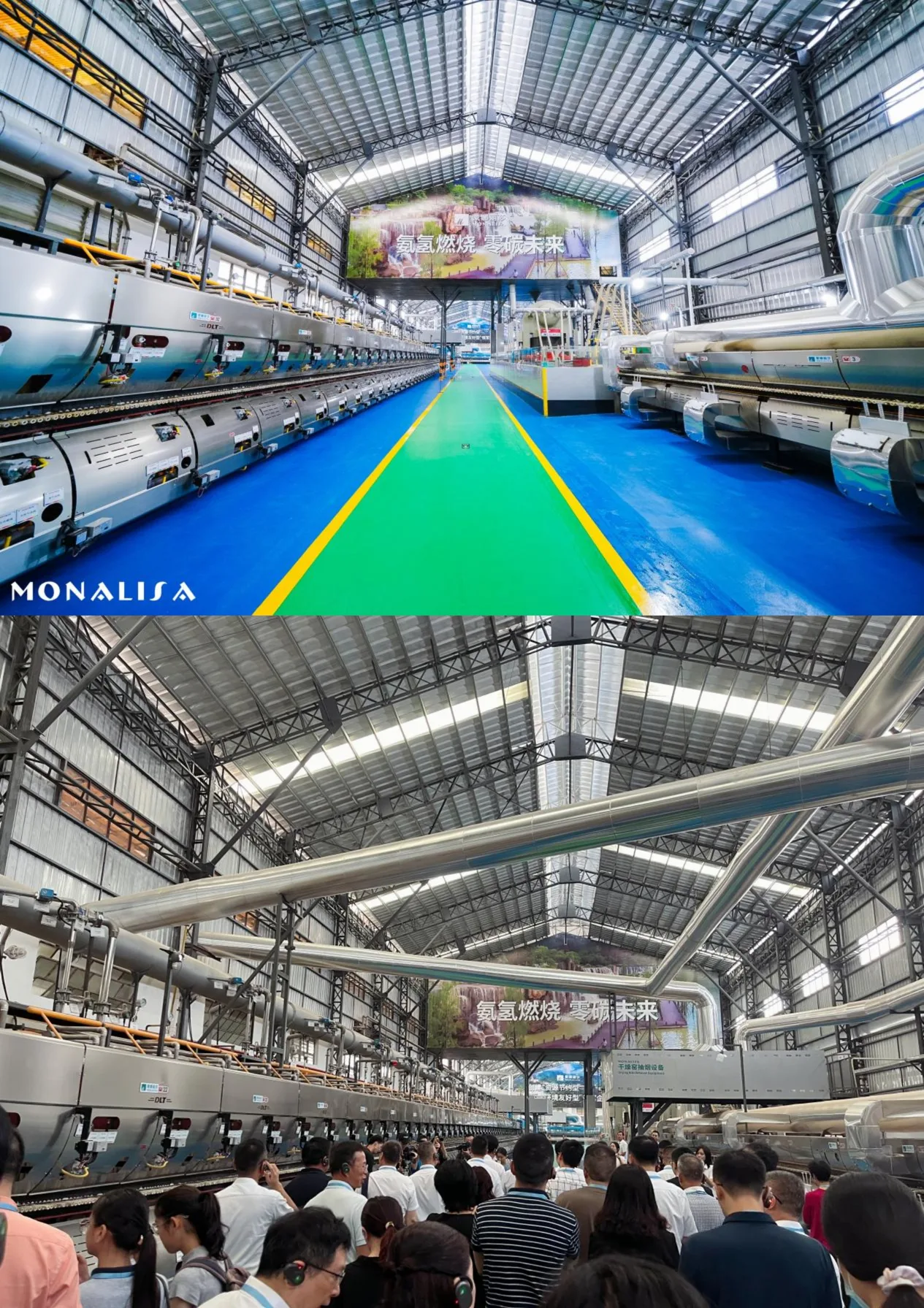
As a key step in bringing ammonia–hydrogen zero-carbon combustion to industry, the Monalisa demonstration production line project was officially launched in December 2023. Drawing on advanced ammonia–hydrogen zero-carbon combustion technology for ceramic production lines, a high-flow ammonia fuel supply system, flue-gas emission control, control of ammonia–hydrogen zero-carbon industrial ceramic kilns, laser-based online flue-gas monitoring for high-temperature, high-humidity environments, and numerical simulation, the joint R&D center developed an ammonia–hydrogen zero-carbon combustion supply system for building-ceramics kilns together with key components and equipment, achieving the industrial application of the technology on a ceramic production line. To overcome the core technical challenges of industrializing zero-carbon combustion in ceramic kilns, Foshan Xianhu Laboratory and Monalisa Group jointly established a technology innovation consortium for the industrialization of zero-carbon combustion in ceramic kilns, so that the technology could truly be put into practice.
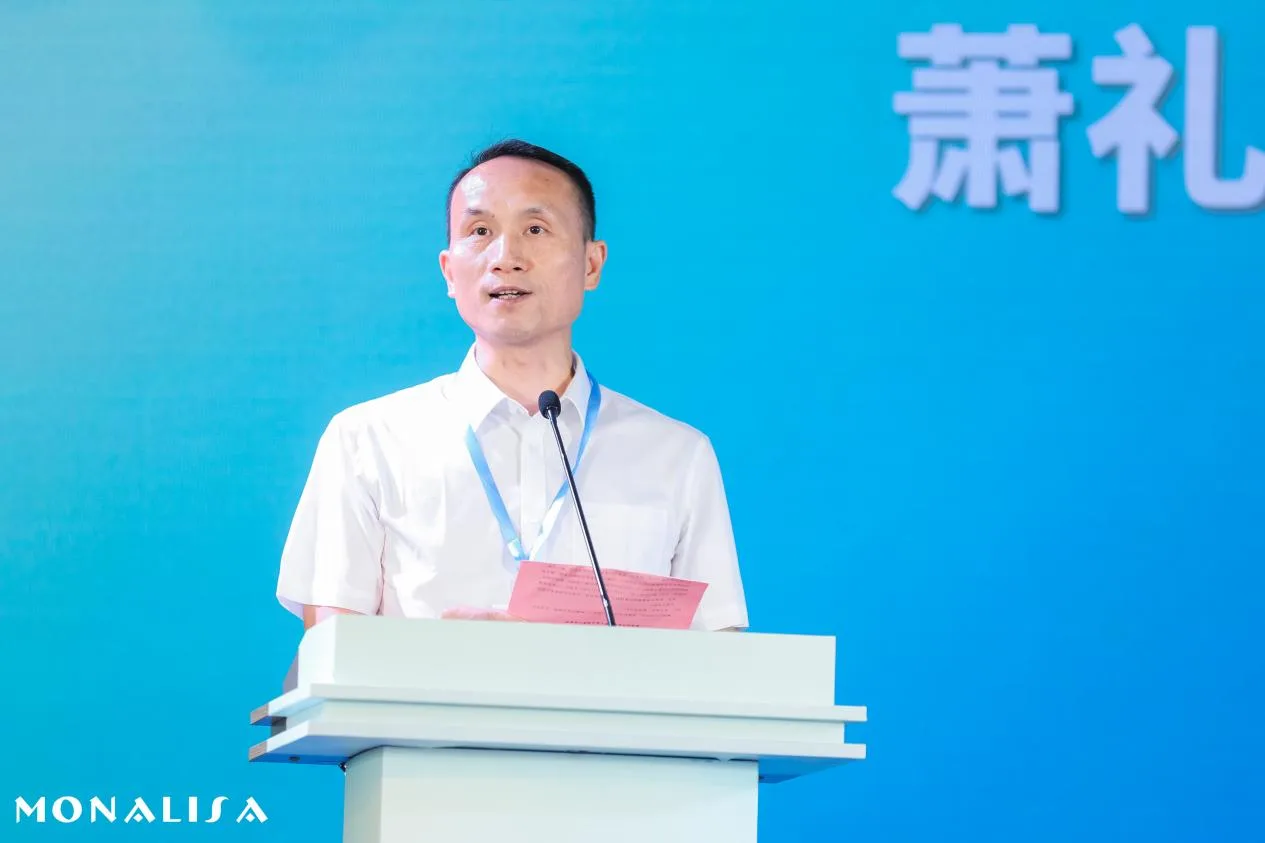
Xiao Libiao, Chairman and President of Monalisa Group, said: “Targeting ammonia–hydrogen zero-carbon fuel technology, Monalisa chose to upgrade the technology and replace the fuel on its 118A green demonstration line for thin ceramic panels. This was a bold attempt.” The line was originally Monalisa’s benchmark demonstration line for the green development of the ceramics industry and has now been given a new zero-carbon dimension. After the retrofit, the demonstration line is 150 metres long with an annual output of 1.5 million square metres. Using 100% pure ammonia as fuel, it reduces the carbon dioxide emitted by fuel combustion to zero, creating a true “zero-carbon industrial kiln”.
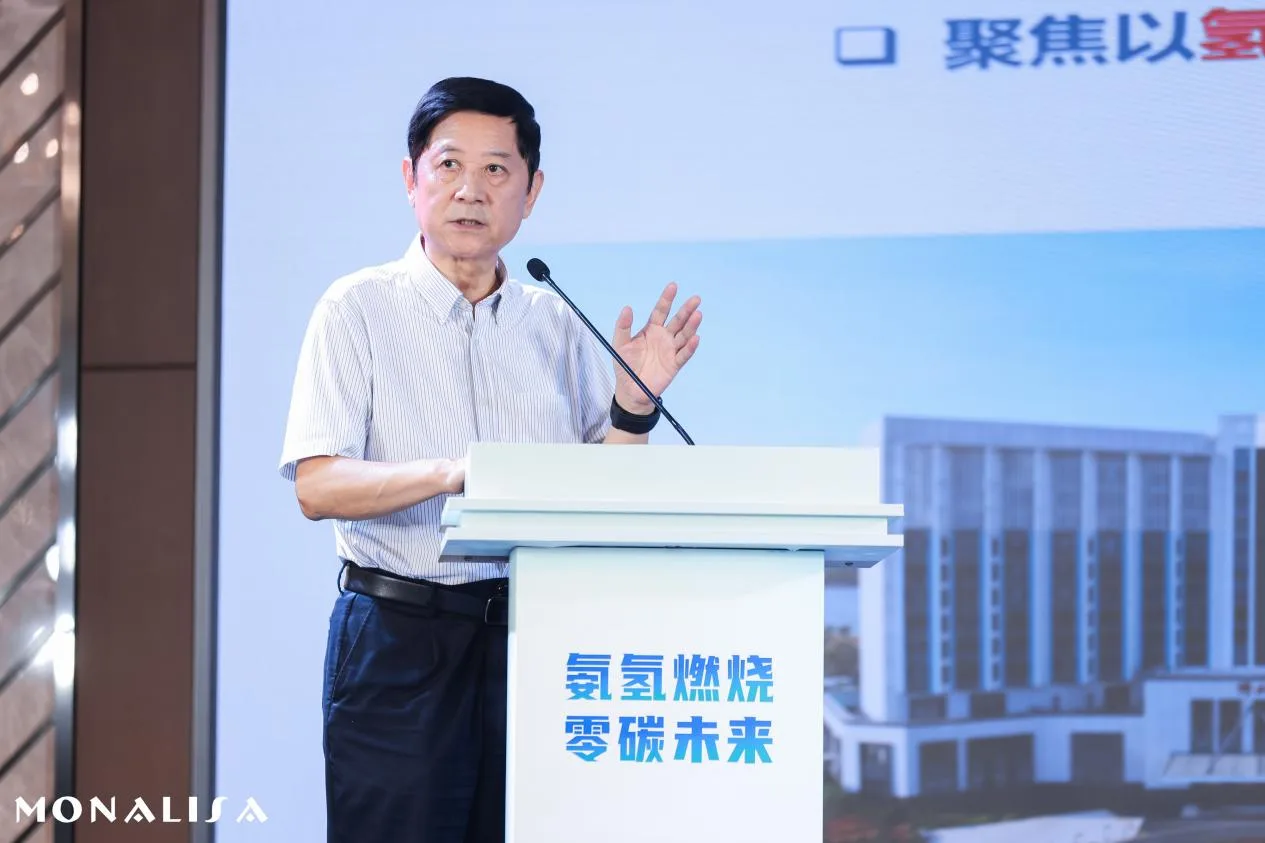
At the event, Academician Cheng Yibing, commander-in-chief of the demonstration line project and strategic scientist of Foshan Xianhu Laboratory, gave a detailed introduction to the project. He said: “This is a ceramic production line with internationally leading technology and world-class equipment throughout. In ammonia–hydrogen fusion new energy, we have truly achieved world leadership.” The line uses 100% pure-ammonia zero-carbon combustion. As the technology is gradually applied to Foshan’s 160 ceramic panel and tile production lines, it will directly cut carbon dioxide emissions by 665,000 tonnes a year. If extended to high-temperature industries across Guangdong, including power plants, ceramics, building materials, steel, non-ferrous metals and chemicals, co-firing 10% ammonia by heating value could cut carbon emissions by about 20 million tonnes a year, and burning 100% ammonia by about 200 million tonnes a year, a direct technical route with a marked carbon-reduction effect. The launch marks the completion, after nearly three years of work led by Foshan Xianhu Laboratory, of the full process of ammonia–hydrogen zero-carbon combustion for high-temperature industrial kilns, from R&D and pilot testing to large-scale production. Ammonia–hydrogen zero-carbon combustion is an original “from 0 to 1” technology in new energy. Its successful use in the ceramics industry not only verifies the feasibility of applying ammonia–hydrogen technology to large-scale, continuous industrial kilns, but also provides new technologies, standards and demonstrations for carbon reduction and zero carbon in building ceramics, accelerating the arrival of a zero-carbon era in industrial manufacturing. In future, Foshan Xianhu Laboratory will continue to work with its partners to improve the technology, optimize processes and extend it to wider fields, raising both the “green content” of industry and the “gold content” of development, and contributing the laboratory’s expertise to China’s carbon peaking and carbon neutrality goals and to the global response to climate change.
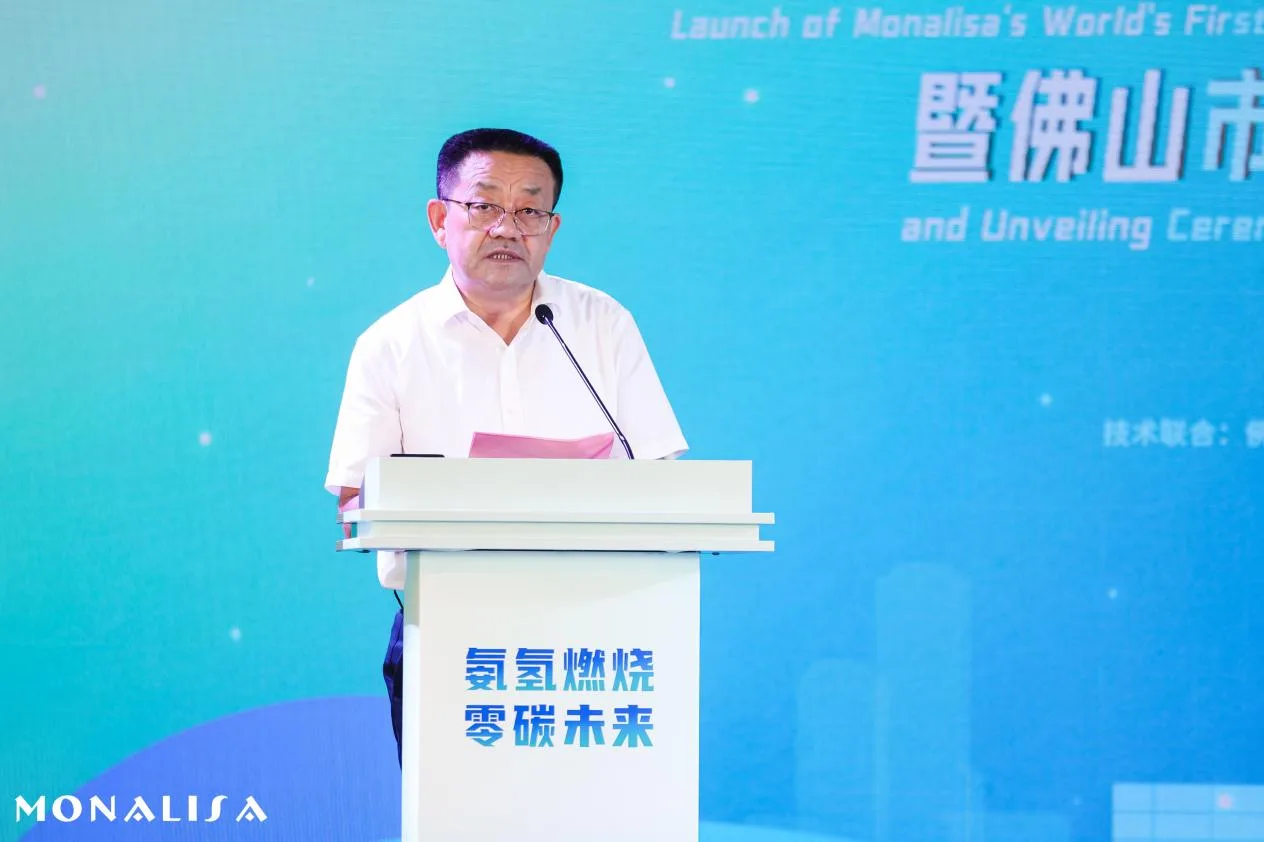
Gu Yaohui, Secretary of the CPC Nanhai District Committee, said in his speech: “The launch of the ammonia–hydrogen zero-carbon combustion demonstration production line is a successful example of local translation of Nanhai’s research results and provides a new model for the low-carbon transition of other industries. Building an ammonia–hydrogen supply system will effectively ease the district’s shortage of hydrogen and ammonia and provide solid support for the wider application of ammonia–hydrogen zero-carbon combustion.”
On the same day, Nanhai District released the Foshan Nanhai District Ammonia–Hydrogen Supply System Construction Plan, a solid step in building and strengthening the ammonia–hydrogen new energy industry chain and in demonstration applications.
Shi Siqing, Executive Deputy Director and Party Secretary of Foshan Xianhu Laboratory, and researchers from the laboratory’s Ammonia–Hydrogen New Energy Industrial Kiln Zero-Carbon Combustion Technology R&D Center attended the ceremony.
Project milestones:
27 December 2021: The Advanced Zero-Carbon Combustion Technology Joint Innovation R&D Center was established at Foshan Xianhu Laboratory, targeting disruptive key technologies for zero-carbon combustion in ceramic kilns and exploring new directions for China’s ceramics industry to meet its carbon goals;
18 December 2022: Pure-ammonia zero-carbon combustion technology for ceramic roller kilns, jointly developed by Foshan Xianhu Laboratory, Foshan Oceano Ceramics Co., Ltd. and Foshan Dalitai Technology Co., Ltd., completed pilot testing and demonstration production in Oceano’s experimental kiln, and the world’s first tile fired with zero-carbon fuel was produced;
21 April 2023: Foshan Xianhu Laboratory, Dalitai, Oceano and Monalisa Group held their first four-party coordination meeting on the demonstration project for an ammonia–hydrogen combustion production line;
25 May 2023: The four parties signed the Strategic Co-construction Agreement for the Advanced Zero-Carbon Combustion Technology Joint Innovation R&D Center and the Joint Development Agreement on Advanced Ammonia–Hydrogen Zero-Carbon Combustion Technology for Ceramic Panel (Tile) Production Lines;
26 May 2023: The kick-off meeting of the Monalisa zero/low-carbon combustion ceramic panel (tile) project was held, the project organization was set up and seven working groups were formed;
22 December 2023: The project “Research on Zero-Carbon Firing Technology for Building Ceramics and Pilot Production Demonstration of Zero-Carbon-Fired Tiles” passed scientific appraisal, with its results judged internationally leading;
28 December 2023: The demonstration project of advanced ammonia–hydrogen zero-carbon combustion technology for ceramic panel and tile production lines was officially launched at Monalisa Group headquarters;
10 September 2024: The world’s first ammonia–hydrogen zero-carbon combustion demonstration production line for the ceramics industry was ignited;
26 September 2024: The world’s first ammonia–hydrogen zero-carbon combustion demonstration production line for the ceramics industry officially went into production at Monalisa Group headquarters.
Media coverage
Several outlets covered the launch. People’s Daily noted that Nanhai District released its ammonia–hydrogen supply-system plan at the same event. Xinhua explained the key technical point: the nitrogen in ammonia makes it hard to burn stably, a problem the laboratory solved, and noted that the line can blend natural gas and ammonia in any ratio. Science and Technology Daily focused on the estimated emission cuts. The Foshan News Media Center traced the path from the joint R&D center set up in 2021, through the first zero-carbon tile fired on the pilot line, to the production line itself, and recorded an industry association’s views on energy supply and cost.
Reports (links go to the reposted pages on the Foshan Xianhu Laboratory website):
People’s Daily | 全球首条陶瓷工业氨氢零碳燃烧技术示范量产线佛山南海投产
Xinhua News Agency | 氨氢零碳燃烧技术生产线在广东佛山投产
Science and Technology Daily | 全球首条陶瓷工业氨氢零碳燃烧技术示范量产线投产
Science and Technology Daily | 全球首条,正式投产!
Foshan News Media Center | 全球首条陶瓷工业氨氢零碳燃烧技术示范量产线在广东佛山投产
Foshan News Media Center | 一所实验室与四家民营企业的“追新逐绿”故事
Monalisa Group (WeChat account) | 全球首条陶瓷工业氨氢零碳燃烧示范量产线在蒙娜丽莎正式投产
Foshan Xianhu Laboratory news link
Source: Foshan Xianhu Laboratory website