
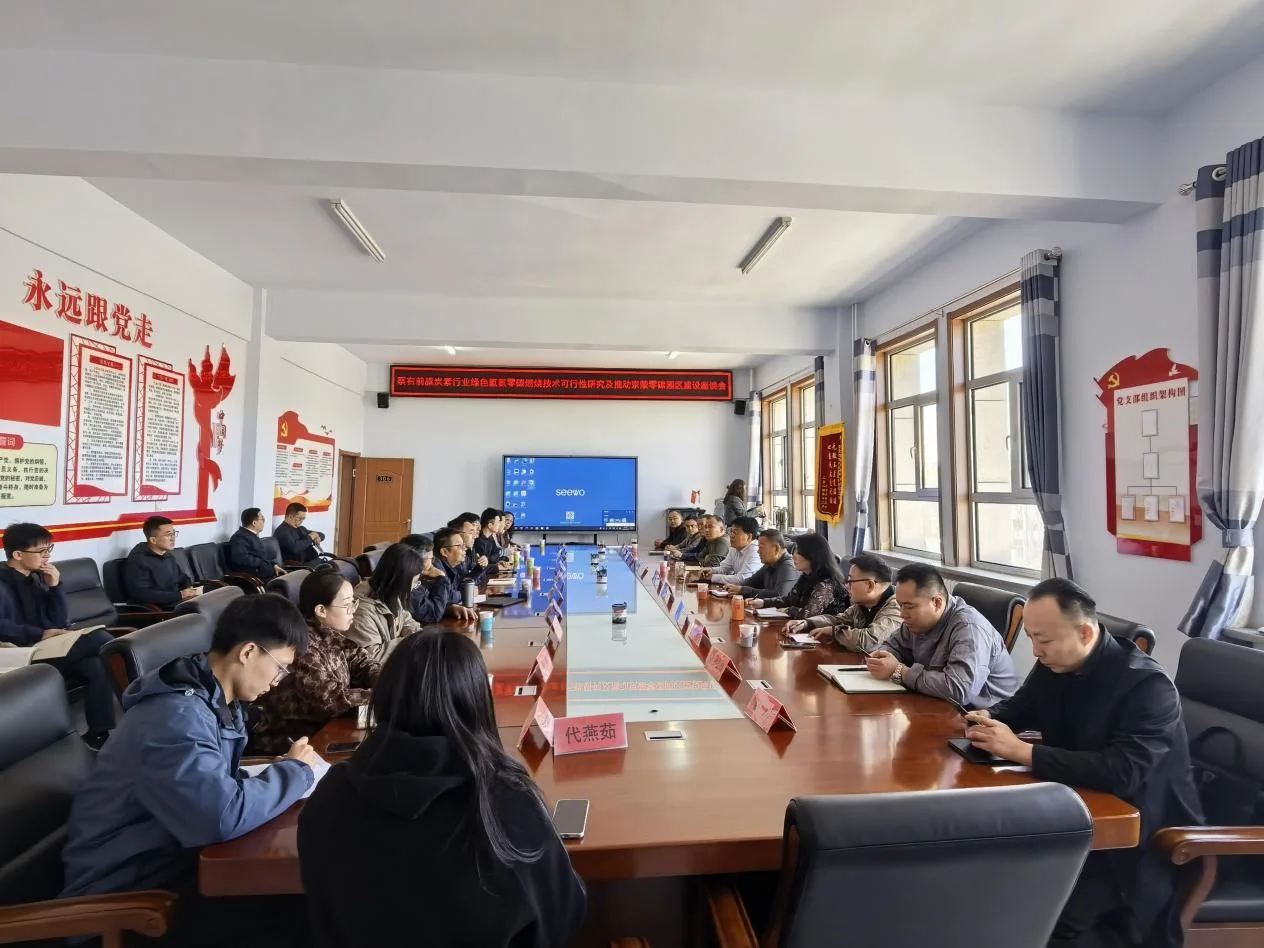
Recently, Shi Siqing, Party Secretary and Executive Deputy Director of Foshan Xianhu Laboratory, led a dedicated delegation to the Inner Mongolia Autonomous Region for an in-depth study of green fuel synthesis, industrial applications and zero-carbon industrial park development.
Green fuels, mainly comprising green hydrogen, green methanol, green ammonia, sustainable aviation fuel (SAF) and power-to-liquid (PtL) fuels, have become a national strategic priority. On 3 March, the National Energy Administration held a symposium on the development of the green fuel industry. The meeting stressed the importance of fully recognizing the significance of developing the green fuel industry, which helps replace oil and safeguard energy security, reduce carbon emissions and promote green development, and expand non-power use and consumption of new energy to strengthen new drivers of growth; it is an important direction for developing new quality productive forces in the energy sector. The 2026 Government Work Report proposed “establishing a national low-carbon transition fund and fostering new growth areas such as hydrogen and green fuels”.
The delegation visited leading universities, research institutes, industry-leading enterprises and zero-carbon industrial parks in the region, focusing on key directions such as the low-carbon transition of energy-intensive industries, large-scale production of green hydrogen and green ammonia, and ammonia–hydrogen zero-carbon combustion, deepening industry–university–research collaboration to bring technological momentum to green, low-carbon and high-quality development.
During the visit, Foshan Xianhu Laboratory held dedicated discussions with the Inner Mongolia Academy of Science and Technology, Inner Mongolia University and Inner Mongolia University of Technology on topics including green fuel synthesis mechanisms, large-scale production processes, application scenarios, carbon reduction technologies for energy-intensive industries and pathways for translating research results.
On the green fuel production and application side, the delegation inspected a China Three Gorges Corporation green hydrogen production project and Yidong Group’s ammonia–methanol and kaolin production base, learning about the current application of technologies such as hydrogen production from green electricity, synthesis of green ammonia and green methanol from green hydrogen, and zero-carbon combustion in high-temperature industrial kilns.
Addressing the low-carbon upgrading needs of energy-intensive industries, the delegation focused on typical high-energy, high-emission enterprises such as carbon-product manufacturing in Ulanqab. The carbon-product industry has high energy consumption and emission intensity and an urgent need for low-carbon transition. Foshan Xianhu Laboratory will draw on its technical strengths in green fuel substitution, clean combustion and waste-heat utilization to provide tailored emission-reduction solutions, helping traditional carbon-intensive industries move towards low- and zero-carbon operation and supporting carbon peaking in key industries through technological innovation.
All parties agreed that Foshan Xianhu Laboratory has mature technical expertise and engineering experience in hydrogen, ammonia–hydrogen integrated new energy and clean combustion, while Inner Mongolia is rich in wind and solar resources, has prominent green hydrogen and green ammonia capacity, and offers broad industrial application scenarios. The two sides’ technical capabilities and resource endowments are highly complementary, providing a solid foundation for a long-term cooperation mechanism and joint work on key core technologies.
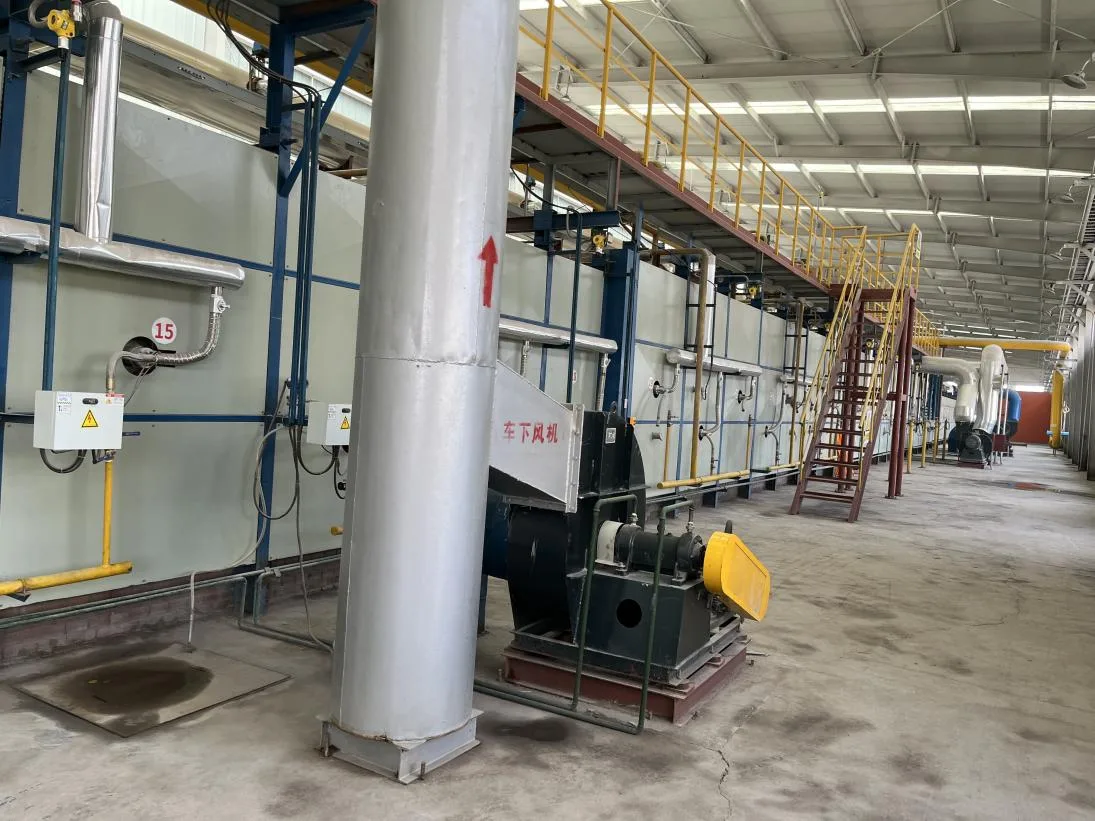
The visit built a bridge for cross-regional collaborative innovation. Going forward, the two sides will centre on green fuel technology development and industrial deployment, hold in-depth discussions on key links such as large-scale green hydrogen production, storage and distribution, industrial co-firing and full-scenario substitution, address low-carbon transition challenges in sectors such as carbon products, metallurgy and building materials, carry out research on key technologies, promote the translation of results and project implementation, and jointly explore replicable and scalable technology routes and industrial development models.
Participants in the visit included Dr Xue Bofei, Deputy Director of the laboratory; Prof. Wang Yu, Director of the Ammonia–Hydrogen Zero-Carbon Combustion Technology Center; Dr Du Jianguo, Deputy Director of the Ammonia–Hydrogen Zero-Carbon Combustion Technology Center; Prof. Chen Jing of the Fuel Cell System and Vehicle Technology R&D Center; and Gong Congwen, General Manager of the Ammonia–Hydrogen New Energy Division of Xianhu Technology.
Foshan Xianhu Laboratory news link
Source: Foshan Xianhu Laboratory website